4/04/2020

ART PROJECT

Hey kids!!

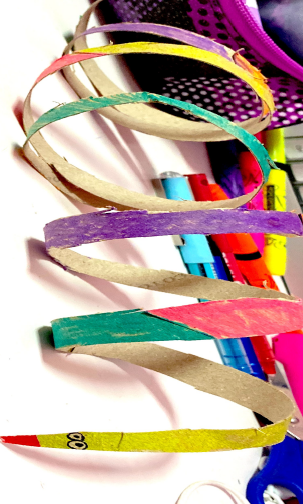
Aquí tenéis los trabajos de arts de vuestros compis!! 
He pensado que os haría ilusión verlos!
Supongo que nadie tendrá problemas por salir si alguien no quiere que me lo diga por mail y lo quito.

Me ha hecho mucha ilusión recibir vuestros proyectos! 
Creo que están todos los que he recibido. 
Si me lo has mandado y no está aquí házmelo saber por mail

Un beso a todos!


https://drive.google.com/uc?export=view&id=1c8RSK6pTPOdL8YUG_eJEhNpuJbNvJjM9


https://drive.google.com/uc?export=view&id=1ecbtPGC8R8gJ0as_UY0TUnN8rVqfHETjhttps://drive.google.com/uc?export=view&id=1bHu1cbQjAHK6AYovZxQ_7WmCjEH2zIR5

https://drive.google.com/uc?export=view&id=1rzWcI-kBSweNlXwGUJkjiEQClzQYp_Kn

https://drive.google.com/uc?export=view&id=1bFFKX3FksmGVUj5fr7QlT_m1TlHihoD3


4/01/2020

NATURAL SCIENCE - CLASSIFYING ANIMALS

DIA
Miércoles 1 de abril
ASIGNATURA
NATURAL SCIENCE
TIPO ACTIVIDAD
Obligatoria - Evaluable
SOPORTE
Online
FECHA ENTREGA
Jueves 2 de abril
DIRECCIÓN ENTREGA
joseantonio.martinirazusta@educa.madrid.org


Key kids!!

Os propongo un quiz para repasar science.

Esta vez es de los primeros temas. Vertebrados e Invertebrados

Intenta responder a estas preguntas sin mirar los apuntes... Pero si lo necesitas puedes hacerlo.
Cuando termines mándame un "pantallazo" o haz una foto con el móvil a la pantalla y me lo mandas por email.


Thanks to teacher Becca for creating and sharing this quiz!

3/31/2020

PROFES - QUÉDATE EN CASA


¡HOLA A TOD@S!

          Aquí tenéis una cosita que os hemos hechos los profes del cole. Esperamos veros pronto. ¡Os echamos de menos!


3/30/2020

SCIENCE QUIZ

DIA
 Martes 31 de Marzo
ASIGNATURA
 Natural Science
TIPO ACTIVIDAD
 Obligatoria - Evaluable
SOPORTE
Online
FECHA ENTREGA
MIÉRCOLES 1 Abril
DIRECCIÓN ENTREGA
 joseantonio.martinirazusta@educa.madrid.org


Hey kids!

Os propongo un quiz para repasar science.

Intenta responder a estas preguntas sin mirar los apuntes... Pero si lo necesitas puedes hacerlo.
Cuando termines mándame un "pantallazo" o haz una foto con el móvil a la pantalla y me lo mandas por email.


Thanks to teacher Becca for creating and sharing this quiz!


3/24/2020

JUEGO DE SCIENCE

Buenos días chicos!

Os propongo un juego online.

Es una especie de "El juego de la Oca" sólo avanzas cuando conoces la respuesta.

Vale consultar en internet alguna respuesta que no sepáis. Así os acostumbráis a buscar información técnica y científica concreta en la web.

Podéis jugar individualmente o con más jugadores por turnos.

Empezad por el nivel fácil... si os animáis hay otros dos niveles.

Os dejo el enlace.


3/19/2020

ART PROJECT


DIA
Jueves 19 marzo
ASIGNATURA
ARTS AND CRAFTS
TIPO DE ACTIVIDAD
Obligatoria – Evaluable


FECHA DE ENTREGA
Viernes 27 de Marzo
DIRECCIÓN DE ENTREGA

joseantonio.martinirazusta@educa.madrid.org


TAREA

Os propongo una manualidad. Dejo un enlace con 10 opciones distintas para que elijáis la que más os guste. Podéis hacer el que queráis. Podéis seguir los pasos o usar vuestra propia creatividad. Tenéis una semana para hacerlo. 

Cuando lo tengáis le hacéis una foto y me la mandáis.


PD: La plataforma de Educamadrid está colapsada y los mails me llegan poco a poco pero los recibo todos aunque no tengáis contestación. Gracias.

3/17/2020

NATURAL SCIENCE EXPERIMENTS


DIA
MARTES 17 Marzo
ASIGNATURA
 Natural Science
TIPO ACTIVIDAD
 Obligatoria - Evaluable
SOPORTE
 Cuaderno
FECHA ENTREGA
MIÉRCOLES 18 Marzo
DIRECCIÓN ENTREGA
 joseantonio.martinirazusta@educa.madrid.org


INTRO

Hola Chicos. Os propongo un par de experimentos para tomar conciencia de cómo funcionan los sentidos. El objetivo es entender a través de la experiencia que los órganos de los sentidos sólo recogen la información y la mandan al cerebro. Es en el cerebro donde realmente se huele, se saborea, se oye, etc... 

TAREA

1. SENTIDO DEL OÍDO

Vas a poner el vídeo de Youtube con cascos. Quiero que lo escuches con los ojos cerrados un rato. También puedes poner otros videos de tu gusto pero para que funcione tienes que hacer la búsqueda en youtube poniendo 8D al final... Verás qué efectos!  

Cuando termines quiero que en el cuaderno de science hagas una descripción de qué has experimentado. Puedes hacerlo en castellano... porque ya de por sí te va a ser difícil encontrar las palabras! 

De título pones:

LISTENING IN 8D


2. ENGAÑAMOS AL CEREBRO CON EL GUSTO Y OLFATO

Cuando comemos manifestamos nuestra percepción del alimento como si únicamente procediese del sentido del gusto, menospreciando lo que aporta el olfato. 
Para entender la importancia de esto quiero que elijas dos frutas, o cualquier otros dos alimentos... y que con los ojos cerrados comas uno mientras hueles intensamente el otro... 

Cuando termines quiero que en el cuaderno de science hagas una descripción de lo que has experimentado. Igual que el otro.. 

De título pones:

PLAYING WITH THE SENSES

CORRECCIÓN NATURAL SCIENCE

Buenos días!

A continuación la corrección del ejercicio 1 Pag 82 de Natural Science.

Os podéis autocorregir el notebook. 

No es necesario que enviéis la corrección.

Si no lo habías hecho, sí es necesario que lo envíes.


Before we eat something, we use our senses to find about it. We use our sense of smell, which sends messages throug our olfactory nerve to our brain. This tells us if it smells good or not. We also use our sense of sight to tell us if it is the right colour, shape or size.

This waffle looks strange becaus it is blue and waffles aren't blue, so our brains reject this food. Our brain is is protecting us because a lot of food that has gone bad and has mould is blue, so our brain tells us no to eat it.

What about blueberries? This is the natural colour of this fruit and our sense of sight sends messages to our brain saying it's OK to eat. We eat the blueberries and our sense of taste tells us if they are sweet, sour, bitter or salty. If we like the taste, our brain receives this message through our gustatory nerve and our musculoskeletal system allows us to pick up another one and eat it!

3/16/2020

NATURAL SCIENCE EXERCISE

DIA
 Lunes 16 Marzo
ASIGNATURA
 Natural Science
TIPO ACTIVIDAD
 Obligatoria - Evaluable
SOPORTE
 Cuaderno
FECHA ENTREGA
 Martes 17 Marzo
DIRECCIÓN ENTREGA
 joseantonio.martinirazusta@educa.madrid.org


INTRO

Buenos días chicos. Como tarea de hoy os pido que realicéis en vuestros cuadernos de Science la siguiente tarea:

Página 82
Ejercicio 1


TAREA

Tenéis que copiar el texto en boli y completarlo con la lista de vocabulario que se plantea en lápiz.
La realización de este ejercicio implica una comprensión y conocimiento de vocabulario de algunos elementos de esta unidad.

Os dejo una foto para los que no tengan el libro por cualquier circunstancia,
También pongo una lista de vocabulario del texto que entiendo que pueda suponer dificultad para la realización del ejercicio.

Publicaré el ejercicio corregido mañana.


VOCABULARY LIST

shape - forma
size - tamaño
blueberries - arándanos
sweet - dulce
sour - agrio
bitter - amargo
salty - salado
pick up - coger
something - algo
reject - rechazar
mould - moho / hongo / molde


3/13/2020

NATURAL SCIENCE VIDEOS

Buenos días,

Os dejo unos vídeos didácticos relacionados con los sentidos y el aparato locomotor.


TAREA

Visualiza los videos al menos dos veces. Cuéntale a alguien lo que has aprendido.


1. Cómo funciona el sistema musculoesquelético.


2. Cómo cuidar tus músculos.


3. Los 5 sentidos y cómo funcionan los órganos y los impulsos nerviosos que generan


3/12/2020

MUSCULOSKELETAL SYSTEM

INTRODUCCIÓN

Continuando con la explicación de ayer... 

Para que el cuerpo pueda producir una respuesta ante un determinado estímulo necesita un sistema que le permita moverse. Ese sistema está formado por dos subsistemas complementarios: el sistema muscular que proporciona fuerza y la estructura osea que proporciona soporte y estabilidad.

Aunque sean dos elementos distintos se complementan y están estrechamente conectados.

Los músculos se fijan al esqueleto a través de los ligamentos. Normalmente estas uniones se producen en las articulaciones. Que son los puntos de conexión entre dos o mas huesos y permiten la movilidad entre ellos.


TAREA

A continuación os he preparado unos dibujos del sistema oseo y muscular haciendo una selección de los huesos y grupos musculares básicos.

Os pido que trasladéis estos dibujos con sus nombres al cuaderno. Podéis dibujarlos, imprimirlos y pegarlos... También podéis buscar dibujos menos realistas y más fáciles de dibujar. Esta misma información la encontraréis también en las páginas del libro de Natural Science (76 / 77).

Creo que la mejor forma de aprender los nombres es, a parte de hacer los esquemas e intentar memorizarlos... podéis jugar con alguien de casa a señalar distintas partes y decirlas en voz alta.. en castellano e inglés.


Aquí tenéis mis esquemas:


3/11/2020

THE NERVOUS SYSTEM

Buenos días chicos!

Ya hemos trabajado los órganos de los sentidos, sus partes y cómo funcionan.
Como os expliqué... al final, la información es mandada al cerebro y éste ofrece una respuesta a los estímulos captados.

Esta es la explicación y el nombre de los nervios que transportan la señal de los neurotransmisores.

Os pido que copies este esquema a vuestros science notebooks.

Un saludo a todos.


THE NERVOUS SYSTEM

The sense organs notice a change in the environment. This change is called stimuli.
The organs send a signal to the brain. This information travels through the sensory nerves.

The brain processes the information and produces a response. (It makes a decision).
Most times this response is a movement. So the brain sends an order to the musculoskeletal system (locomotor system) through the motor nerves.
The muscles allow us to move as a response to the stimuli.


SENSORY NERVES AND SENSES

The name of the nerves that carry the information from the organs to the brain are these:


SENSE
SENSORY NERVE
Sight
Optic nerve
Smell
Olfactory nerve
Hearing
Auditory nerve
Touch
Skin receptors
Taste
Taste buds


2/26/2020

INTERACTION - SENSORY ORGANS - LOCOMOTOR SYSTEM

Hi,

Here you will find all the diagrams we're working on for this unit.


* The ear is the organ for hearing.
* The ear is divided into three parts: outer, middle and inner.
* The earflap helps to catch the sounds and redirect them to the ear canal.
* At the end of the ear canal, there is the eardrum. It vibrates amplifying the sound.
* In the middle ear there are other organs that help sending the signal to the auditory nerve and the brain.


* The tongue is the organ for taste.
* To taste the flavours of food, the tongue mixes the food with saliva.
* Receptors called tastebuds identify the flavour and send a signal to the brain.


* Skin is the organ for touch.
* The skin does many functions: Protection, thermo-regulator and allow us to feel many things.
* It's divided in three layers (epidermis - dermis - hypodermis).
* Sensory receptors feel pressure, temperature, pain, texture... and send the information to the brain.
* Sweat glands help to regulate temperature.
* Human hair is a remain of the fur.


* The eyes are the organs of sight.
* Light is reflected from objects and enters the eye through the pupil.
* The iris closes or opens depending of the amount of light.
* The lacrimal glands produce tears that lubricate and clean the eye.
* The eyelids swip and clean.
* The eyebrows and eyelashes protect the eye from sweat and dust.
* The image is sent to the brain throug the optic nerve.


* The olfactory bulb and the pituitary gland are the organs of smell.
* The air and smells enters through the nostrils of the nose and pass to the nasal cavity.
* The receptors in the olfactory bulb and the pituitary gland send the information to the brain through the olfactory nerve.


Here are the most important bones and muscles of the locomotor system that allow us to stand and move.


1/30/2020

DÍA DE LA PAZ

Entre otras cosas hemos construido unos “mosaicos” de Malala, Madre Teresa y Obama.

https://drive.google.com/uc?export=view&id=1W_VP4CfpbPu0CI8USl_T_NtBytnhrSYjhttps://drive.google.com/uc?export=view&id=1qnhoa97XOfL2lBoXbJ5XKvIwPAA2sO1ghttps://drive.google.com/uc?export=view&id=1BpsHnlGWRWZCMZO80agsBN5j-ndvrcb6

1/16/2020

NATURAL SCIENCE "THE HUMAN BODY"

Here you will find all the work we are doing for this unit.


https://drive.google.com/uc?export=view&id=1I8ehZjp_TwOvwysPpObnMb-ROW0F5Q40


Your mate Noa has worked on a model of a respiratory system. Thank you! And good job! 

https://drive.google.com/uc?export=view&id=19h-MOLViK4JO1bq0y_W7IJrPs1Jc13nY


EXCERCISE:

Classify these organs to the system they belong to:

ORGANS:

heart
liver
windpipe
bonchi
nasal cavity
muscle
kidney
brain
blood
bladder
ovary
eyes
diaphragm
stomach
lung
urethra
small intestine
nerve
bone 
testicles
arteries

SYSTEMS:

REPRODUCTIVE
DIGESTIVE
RESPIRATORY
EXCRETORY
CIRCULATORY
MUSCULOSKELETAL
NERVOUS